
its more than ninety minutes
That Saturday Feeling Posted on Nov 16, 2020 by Stu Patterson More Than Ninety Minutes
Waking before his alarm goes off is not a workday experience Martin enjoys, but on days like this, the eagerness and anticipation are all the wakeup call he needs. At 5:30 am, he is ready for the phone calls, the texts over minor details, the bus collections, and the last-minute ticket requests. It is part and parcel of what is normally the longest day of his week. Belfast port is calling. The A77 awaits. They are going to a place called paradise. This is matchday. Martin loves it.
In the 2018/19 season, the Scottish Premier Football League boasted an average attendance of 16,016 per game, with 3,171,149 supporters attending in total. This makes the SPFL the best-supported league in Europe as a percentage of population size. It’s an incredible number of people, especially in the current climate of nonattendance due to COVID-19. I thought it would be good to look past the headlines of clubs needing fans back for financial reasons. For the supporters, it’s about much more than that. What drives this devotion, though? Why do so many men, women, and children make the pilgrimage to their stadiums regularly?
Martin Gilmore (39), a family man from Ballymena Co. Antrim working in ICT, explains, “I got my first Celtic top when I was eleven, and I saved up my pocket money for trips to Glasgow to see Celtic.” Even across the Irish Sea, he felt part of the community of supporters. “It was more than ninety minutes; it was the traveling, the banter, the energy,” says Martin. “In our community, we were always told to pick an English side as well to avoid trouble, but I never saw any. I just saw Celtic fans.”
Eddie Toner (58), a taxi driver in the east end of Glasgow and a former advice advocate, was born into a Celtic family. “My grandad was the head groundsman at Celtic Park from 1950 to 1977. My first game was when I was four or five years old. We would gather at my gran’s with my aunts, uncles, and plates of sandwiches before heading to the game.”
Douglas Barrie, an Airdrie supporter, entered the world of football quite differently. As a university student, his friend and now MP, David Linden, invited him to a game. Douglas quickly began writing the match program, and from there, opportunities opened up, laying the foundation for his journalism career. “My uni class had supporters of five or six different teams, but we all enjoyed our football.”
Mark Fleming, a lifelong Partick Thistle fan and the director of Sports Chaplaincy Scotland, says, “For me, it is an important part of my life.”
Each of the guys shared stories about their lives and football experiences. “I started helping the leader of our bus around the age of 18, and it wasn’t long before I became more involved in organizing,” Martin said. “My work is forty hours a week, but the bus takes about twice that; it requires a lot of work, calls, and texts, but it’s worth it. I love watching the younger guys mixing with the older supporters on the ferry. Watching Celtic, it doesn’t matter what you do for work; we are all the same. I like that. I might not miss organizing as much, but I miss Celtic.” Martin beautifully captures how football remains one of the few social spaces where the young and old mix freely, with older generations sharing stories of past matches and matchdays.
For home games, Eddie likes to arrive at Celtic Park around 1 pm for a 3 pm kickoff. “We all gather around the pools office, with guys from all over. We catch up and chat. The community, cultural, and social aspects mean so much.” The pools office is just a hundred yards away from the front entrance of Celtic Park and serves as a great place to watch the community of supporters turn the area green and white as kickoff approaches.
“We have a group of four or five of us,” says Douglas. “Same seats and same faces; we always look out for each other and catch up on football and life.” Airdrie might be a club with a smaller fan base, but that strong community identity is just as present.
Experts often discuss the scientific reasons behind supporting football, citing hormones and brain chemicals. While that’s interesting, it misses the point and makes the unique aspect of football support sound clinical. Author C.S. Lewis, in an essay on “Meditations in a Toolshed,” says that we can stand outside an event and analyze it, but it’s not the same as being in the event and enjoying it. We all know stories of mild-mannered individuals who are completely transformed into foul-mouthed caricatures of themselves during football matches. This transformation is why football is essential to many working-class people; it provides an outlet for emotions. “Now,” says Eddie, “they have nowhere to blow off steam.”
Mark Fleming, in his chaplaincy role, understands the importance of having a place to connect and let loose. “It’s important to remember the players in all this,” says Mark. “They’re just normal guys and football supporters themselves. They too must miss the energy and connection with other supporters at games. Chaplains play an essential role in players’ lives, but they’re not at games either—a decision I understand, but it’s not easy.”
“You miss the moaners and groaners,” says Eddie. “That’s as much a part of the game as the tactical guys.” My brother, who sits behind me at games, falls into the moaners and groaners category, so I can’t help but laugh.
Daily Record Journalist Mark McGivern, discussing the lack of matchday experience professionally, says, “Football is the biggest story driver we have, and without supporters at games, there’s a massive reduction in newsworthy stories.” Mark also commented on another aspect of the matchday experience that is missed: “People talk about the violence, but the cheer and joy that matchdays generate is also gone. It’s just not the same.” There is an overflow from game attendance that positively impacts society, which might not be celebrated enough.
One thing all these supporters have in common is concern for their fellow fans during these strange times. Martin’s voice slows and becomes more contemplative as he says, “Socially, mentally, and physically, it’s what you do on weekends. You can’t take that away without long-term consequences.” Eddie mentions that “we have social media and chat groups to try and keep the members together.” Douglas also uses social media to stay in touch with his football friends. They all agree that they don’t know how those not involved in a collection of supporters manage in the current crisis.
,” says Eddie, “very poignant, because that’s when my dad died.”
“For me, it was a cup semi-final against Dunfermline. Great game with loads of goals. Half a dozen of us there, but we had all chipped in to bring another mate who had no money. We couldn’t bear the thought of him missing it,” Douglas shares.
All their life events were marked by which team their team was playing. More than ninety minutes. Another aspect where the community expression of support was even bigger than the individual game.
For Martin, it was a game against Dundee United. Celtic had lost the league to Rangers, who had won it at Hibernian. “The atmosphere was intense and incredible that day. It was about more than results; it was an expression of who we are as Celtic supporters.”
Martin longs for those early Saturday starts again, but he concludes with a dose of reality: “My hope is that we don’t lose anyone before they get another chance to get the ferry, go up the A77, and walk through the turnstiles at Paradise.” All the guys accept the reality of the pandemic we are living through, but they long for the day when they can gather with the other members of their support community and congregate in their temple of worship, singing songs of support and identity in full voice.
Football is more than just a game; it’s a way of life for many people. It brings communities together, offers an outlet for emotions, and creates lifelong memories. As the pandemic continues to impact the matchday experience, fans and players alike must find new ways to stay connected and maintain their love for the sport. But one thing is for sure: when the time comes to return to the stadiums and join in the collective roar of the crowd, the passion and energy of football will be stronger than ever.
You can visit the Media Links page and see a short visit done by BBC Radio Scotland for an interview I did there.
I have now released an early edition of my story, Completing the Tenner.
I have also published two poem books: Simply Jesus and Five Weeks in May

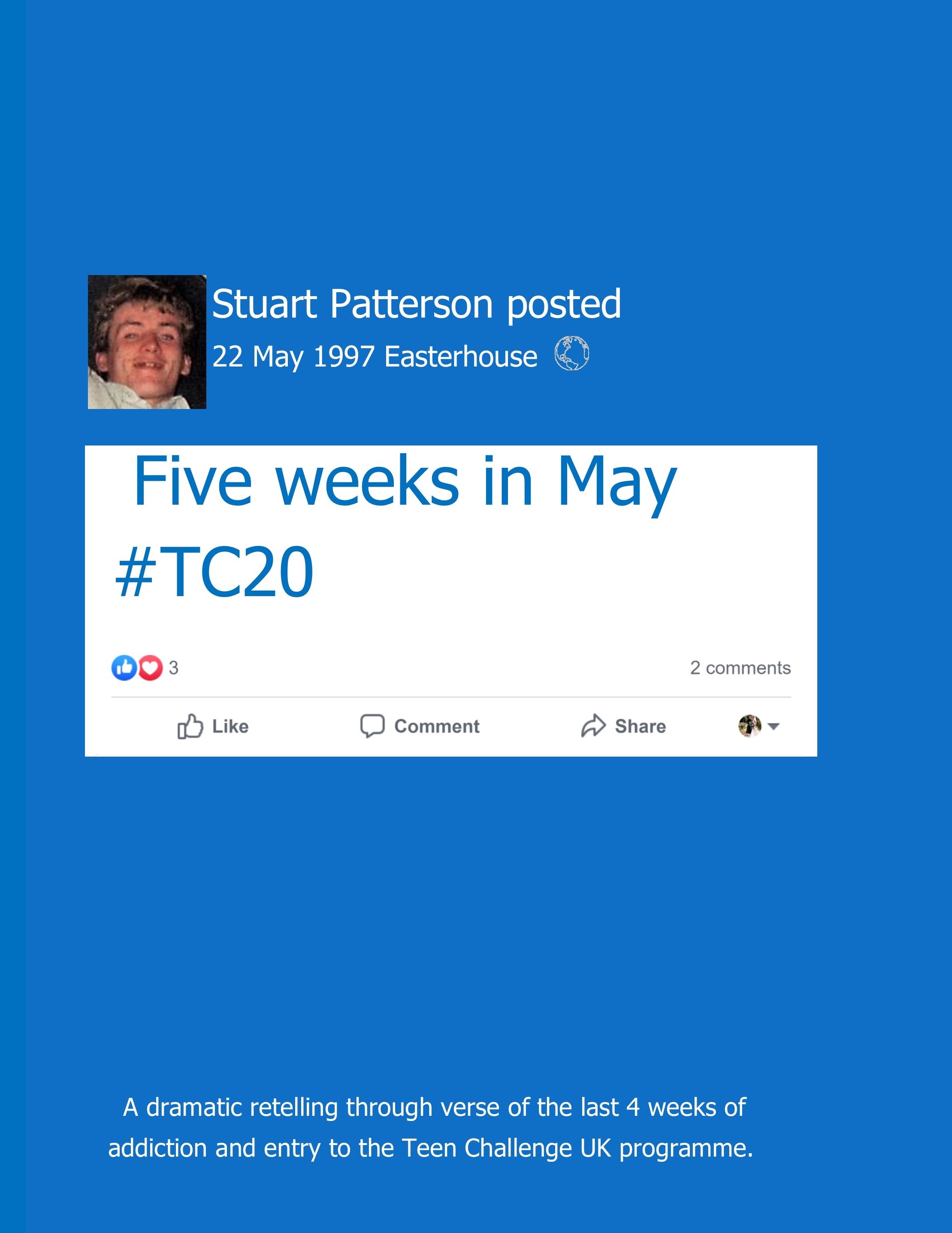
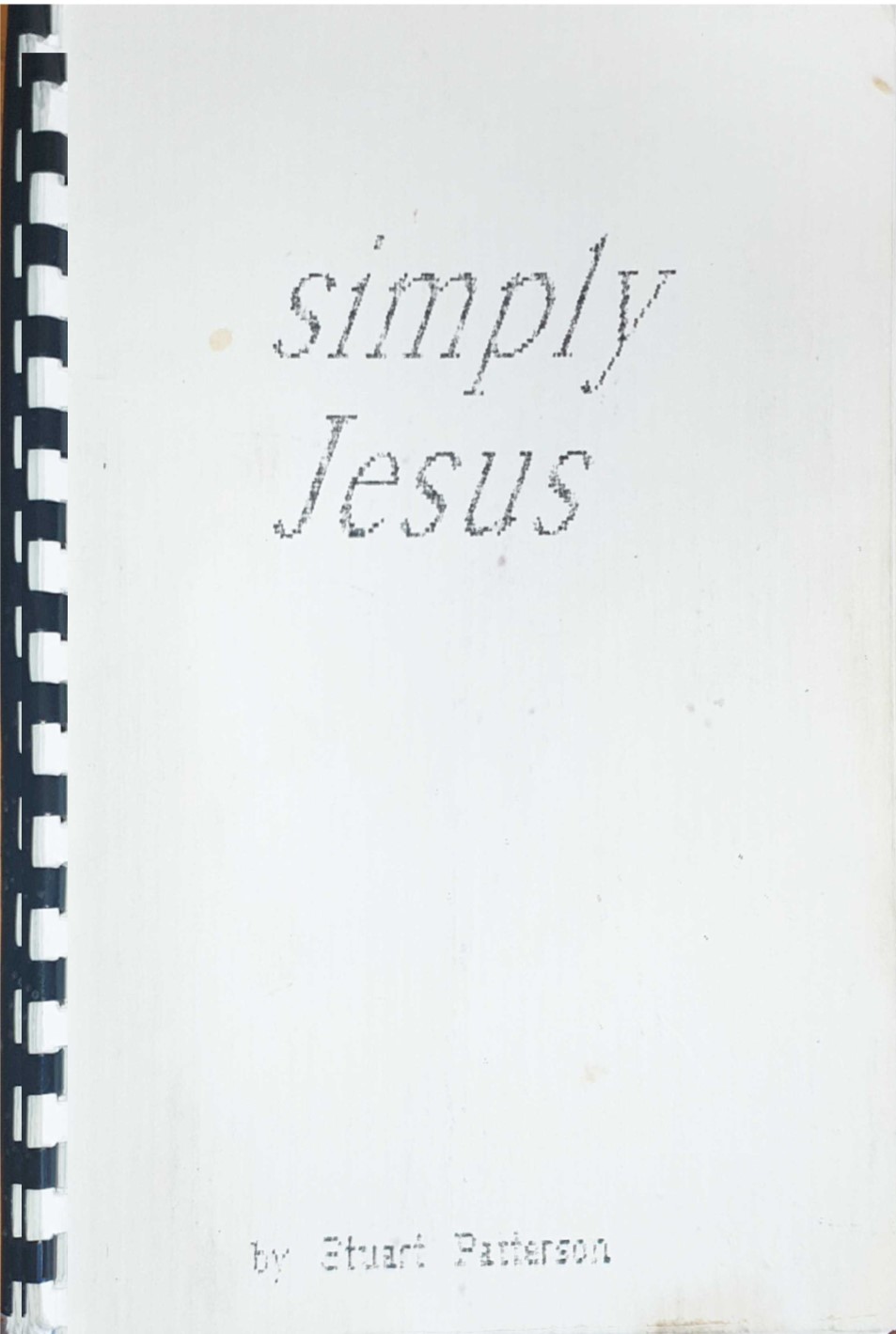
You can purchase these direct from Amazon (please use Amazon Smile link below and Amazon will contribute to ECC at no cost to you), They are all available in both Kindle and Paperback formats.
Or you can buy directly from me. Email me directly to arrange this.
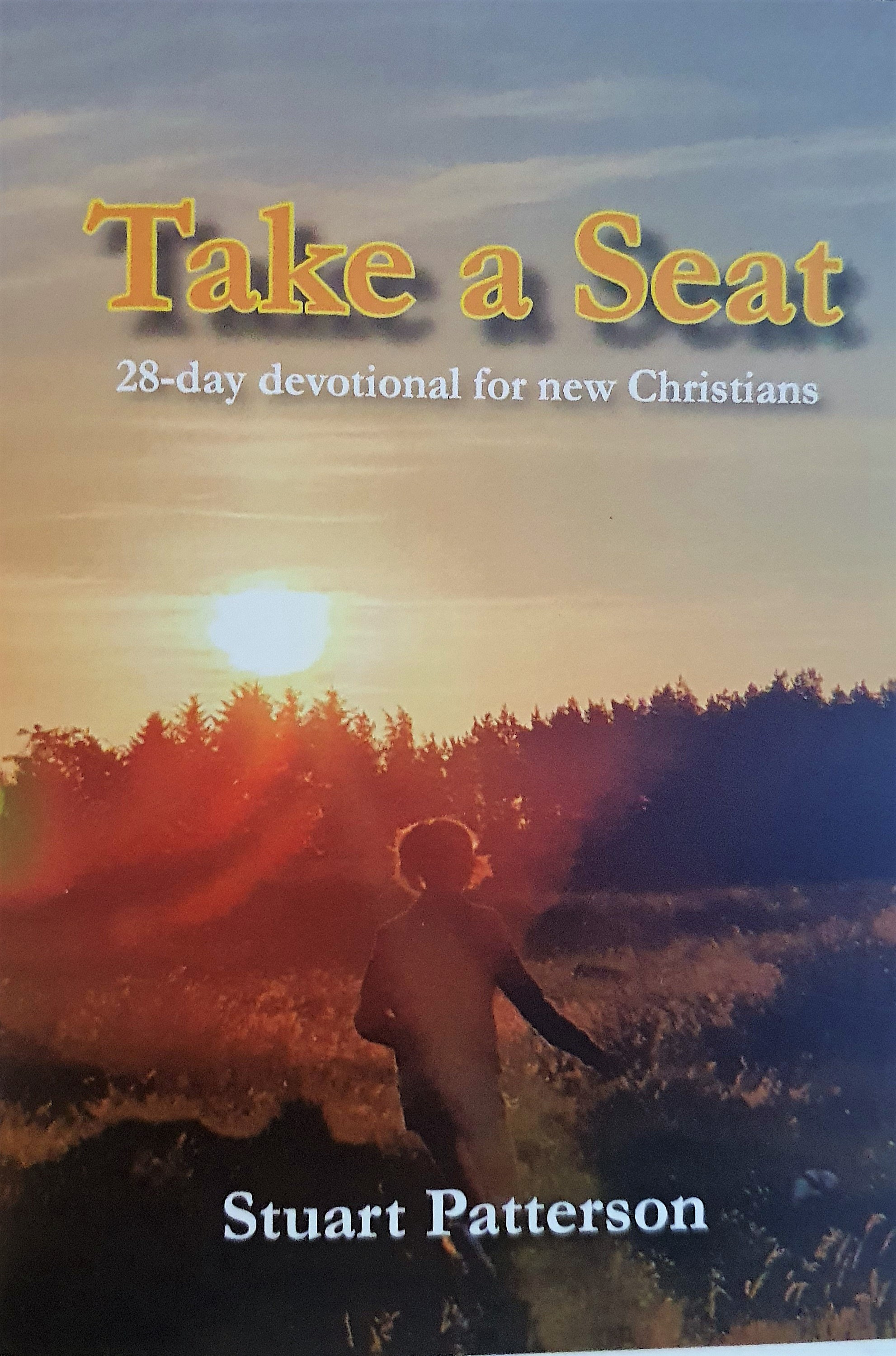
There is now a devotional aimed at new Christians called “Take a seat“ this is available direct from me.
If you or someone you love, needs help with the Christian response to addiction, or if you would just like to know more or need hope, please click on one of the following:
The Haven
Teen Challenge Strathclyde
Teen Challenge UK
Teen Challenge Global
Street Connect
Bethany Christian Trust
Jumping Jacks Outreach
Cornerstone Assemblies of God, Maryland
Broken Chains Ayr
Easterhouse Community Church
Stuart Patterson
Shop through Amazon Smile and Amazon will donate 0.5% to Easterhouse Community Church, costing you nothing.
Alternatively, you can donate to the work of Easterhouse Community Church via PayPal
or scan QR code


 Window Seat
Leave a comment