
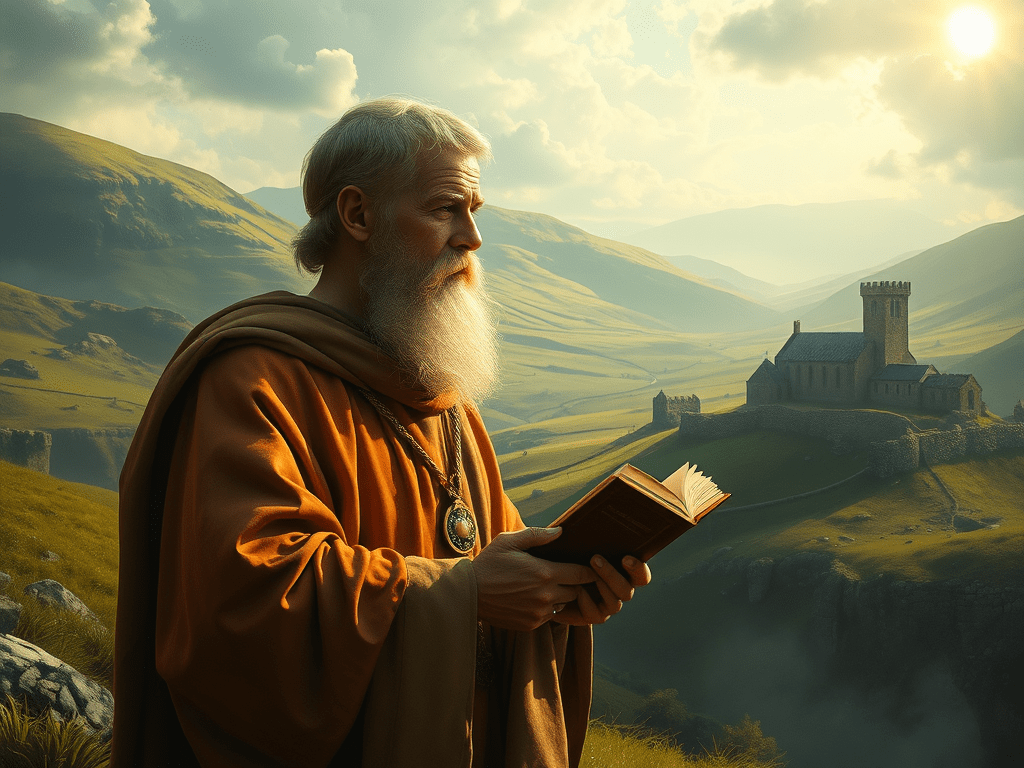
The Real Saint Patrick: A Humble Missionary’s Own Words on St. Patrick’s Day
Today, March 17, we celebrate St. Patrick — but forget the leprechauns, snakes, and shamrocks. The true Patrick was a Romano-British man captured as a teenager, transformed by faith in slavery, and called back to Ireland as a reluctant yet determined missionary bishop.
His own writing, the Confessio (Confession), is the most reliable source we have — a raw, humble spiritual memoir written in simple Latin around the mid-5th century.
The Book of Armagh holds the earliest copy of Saint Patrick’s Confessio.
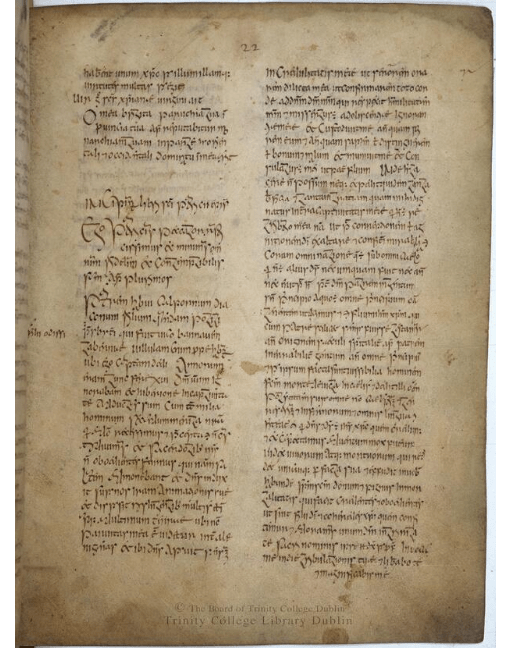
Patrick begins: “My name is Patrick. I am a sinner, a simple country person, and the least of all believers.” Born to a Christian family — his father Calpornius a deacon, grandfather Potitus a priest — he grew up near Bannavem Taburniae (or variants like Bannaventa Taberniae), a modest Romano-British settlement.
Old Kilpatrick, near Dumbarton, has long been suggested as one possible location, though Patrick’s exact birthplace remains debated.The name “Old Kilpatrick” derives from Gaelic “Cille Phàdraig” (“Patrick’s Church”), and a 2018 research paper links Roman place names along the Antonine Wall (including a fort at Old Kilpatrick called NEMETON/Nemthur in early sources) directly to Patrick’s description.
This Scottish tie — supported by longstanding tradition and archaeological naming evidence — makes a compelling case that the patron saint of Ireland was actually born in Roman Britain’s northern frontier, around 387 AD.
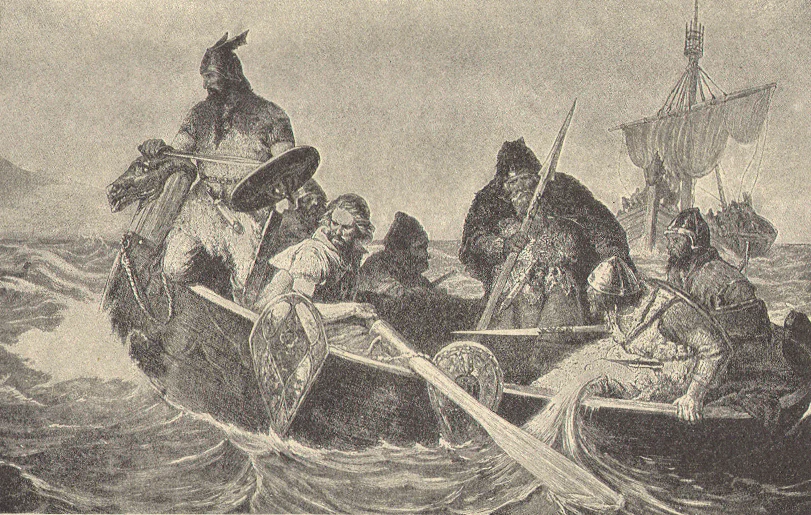
At about 16, Irish raiders attacked and enslaved him, taking him to Ireland for six harsh years as a shepherd. Captured as a teenager and taken to Ireland as a slave, Patrick spent years in isolation, tending sheep and learning to pray.
It was there, in hardship rather than comfort, that his faith took root. As he later wrote, “I was like a stone lying in the deep mire; and He that is mighty came and in His mercy raised me up.”
The God he had once ignored became the God he cried out to daily. Isolated in the wilderness, he turned fervently to God: “I prayed up to a hundred times a day and nearly as many at night… the Spirit was burning in me.” This period of suffering became his spiritual awakening.
God then guided his escape through visions — a voice saying “your ship is ready” — leading him to flee, travel 200 miles to the coast, board a ship after initial refusal, and endure further trials (hunger in the wilderness, another brief captivity).
Back in Britain with his family, more visions came: Irish voices pleading, “Come and walk among us again,” and a divine call affirming his mission.
Despite feeling unworthy — “unlearned,” “looked down upon,” criticized by some British clergy — Patrick returned to Ireland as a bishop.
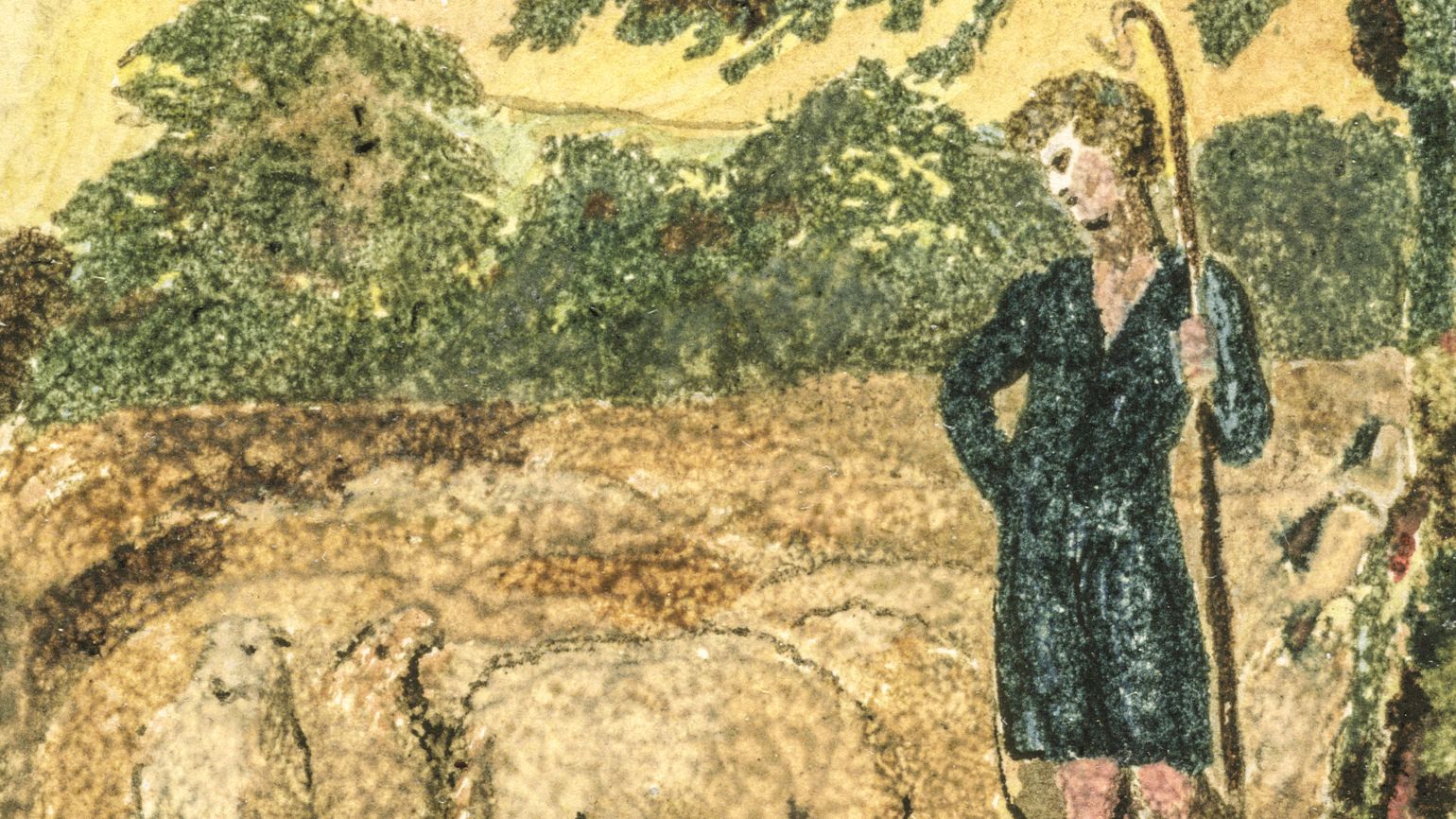
He baptized thousands, ordained clerics, founded churches, and converted many from pagan ways through preaching and example, facing dangers, threats, and persecution along the way.
He writes of gratitude: God “regarded my low estate,” freed him from perils, and used him to fulfill prophecies of nations turning to faith. Ireland, once “worshipping idols,” became a land of believers, monks, and virgins — all by God’s grace, not Patrick’s merit.
Patrick’s Confessio isn’t a boast; it’s a defense of his calling, a confession of sin and praise, and a testament to divine mercy. No miracles like banishing snakes (Ireland never had them), no shamrock analogies (later inventions). Just a flawed, faithful man who saw his life — from captive shepherd to apostle — as God’s work.
On this St. Patrick’s Day, let’s remember him not as myth, but as he saw himself: a sinner saved by grace, sent to bring the Gospel to a people who once enslaved him.
The real Patrick needs no legends. In his own words, he was a sinner saved by grace, a former slave sent back with the Gospel.
Read the full Confessio yourself (free English translation at confessio.ie) — it’s short, powerful, and far more inspiring than any parade.
Sláinte and happy reading! 🍀

 Window Seat
Leave a comment